

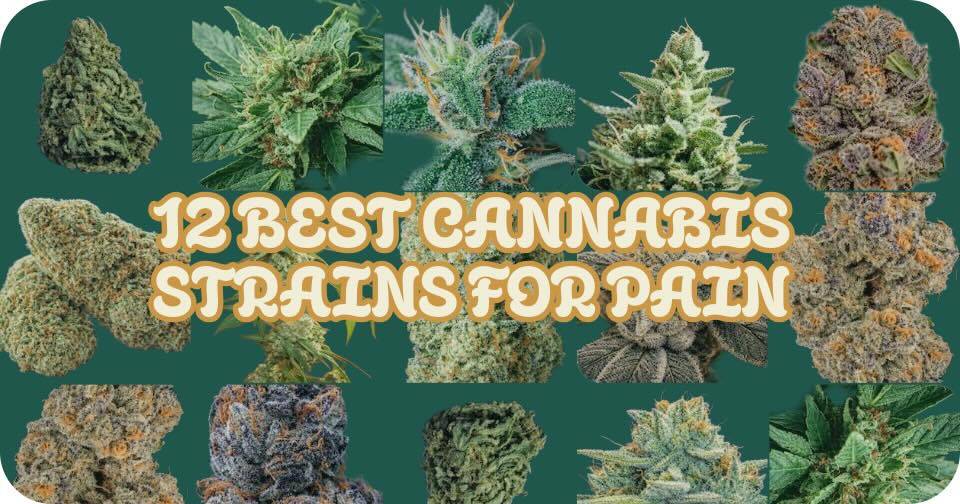
12 Best Cannabis Strains for Pain | Endocannabinoid System
Why Do People Search For Cannabis Strains for Pain Relief
Cannabis has been used as a holistic approach to medicine since the dawn of time. For over five thousand years the therapeutic effects of cannabis have been studied, not exclusively to one specific ailment, but for all different sets of symptoms caused by illness and diseases. Cannabis usage can be traced back to ancient China where it was used to treat gout and malaria, later it was used in Egypt to treat eye pain and inflammation. India where it was used to treat insomnia, headaches, and even in Greece where it was recommended as a treatment for earaches and used to elevate mood.

It wasn't until the 1970s that cannabis was listed as a schedule 1 controlled substance, stating it was not acceptable for medical use. Though, with lots of hard work cannabis became an acceptable form of medicine again, not as a cure but to help alleviate certain symptoms. Like nausea, vomiting, loss of appetite, caused by cancer, or spasms from certain neurological conditions.
With that said, cannabis affects everyone differently while some people get maximum relief, others report mild suppression of their symptoms and have better luck with other methods. Every human being is different and our systems react differently to certain compounds.

The best way to find which cannabis strains work for you and your pain, is to be educated on different types of cannabinoids and terpenes and how they affect your body. Cannabis strains are not limited to an Indica or Sativa labeling system anymore. Cannabinoids and terpenes will influence your entire experience, and I’m not talking about just your high, but the amount of relief you will experience too.
How Cannabis May Influence Discomfort
The Endocannabinoid System
Everyone has something called an endocannabinoid system, it's an interconnected system in your body. It's what the cells in your body use to process information through chemical reactions and interactions. Your endocannabinoid system regulates your mood, sleep, appetite, memory, and most importantly pain through your cb1 and cb2 receptors.

Your cb1 receptors are mainly in your brain, responsible for regulating your mood, pain perception, memory and motor skills. While your cb2 receptors are in your immune system, in organs like your spleen and your digestive tract helping with inflammation and also with pain.
Cannabinoids, like thc, interact with this system since they mimic existing compounds we already have in our bodies naturally. This is why they are able to bind to our receptors and produce psychoactive and physiological effects.
Best Cannabinoids That Help with Neuropathic Pain
Rated 1 through 5
- THC - Activates both cb1 and cb2 receptors, mainly the cb1 receptors in the brain and the spinal cord, regulating pain perception.
- THC + CBD - CBD does not strongly bind with cb1 and cb2 receptors like THC does, but when it's combined with THC it can reduce pain sensitivity, help with sleep, anxiety, and inflammation which could all add to neuropathic pain.
- CBD - Cbd has low direct activity with cb1 and cb2 receptors as a stand alone compound. However, it might have some effect on pain perception because of its influence on TRP pathways.
- CBC - Slightly activates cb1 receptors, but reacts with TRPA1 (pain sensor) to lower pain signals throughout the body. This is still in testing phases.
- CBG - Also in a testing phase, CBG slightly interacts with cb2 receptors to reduce inflammation in the body and like CBC reacts with TRP channels to lower pain signals.
Best Cannabinoids That Help with Inflammatory Pain
Rated 1 through 4
- CBD - CBD influences other non cb receptors in the body that are connected to inflammatory signaling. Although it might not have a direct effect on pain, it might help with inflammatory responses, which in effect eases pain.
- CBG - This compound is described to have anti inflammatory effects and is also an antioxidant. It mildly activates cb2 receptors but also has an effect on TRP pathways to lower pain signals.
- CBC - Similar to CBG, CBC has anti-inflammatory effects, slightly activates cb1 receptors and reacts with TRPA1 to lower pain sensitivity.
- THC - THC can reduce pain perception in the body but for overall inflammation it isn't the top choice for some people because of its intoxicating effects.
Best Cannabinoids That Help with Chronic Pain
Rated 1 through 5
- THC + CBD
- THC
- CBD
- CBG
- CBC
Terpenes Often Associated With Relaxation & Body Effects
- Beta Caryophyllene - This is the only terpene that activates cb2 receptors and works as an anti-inflammatory, perfect for treating muscle pain and arthritis.
- Mycrene - Acts as a muscle relaxer and calms inflammation, it can also increase the effects of THC. Dominant in indica strains promoting relaxation.
- Pinene - Reduces inflammation in the lungs and other soft tissues in the body, it also helps with mental clarity getting rid of fogginess.
- Linalool - This terpene works best for nerve related pain, it calms excited over active nerves and anxiousness to change pain perception.
- Humulene - Humulene is usually found next to beta caryophyllene, also an anti-inflammatory providing a supporting role for beta c.
Indica Sativa or Hybrid? Does it Matter?
Most strains are either sativa dominant or indica dominant, which makes them hybrids. The label of indica and sativa refers more to the plant structure rather than the type of effect it will produce. The actual strain type doesn't matter as much as the terpene and cannabinoid content.
Top Strains for Pain
ACDC
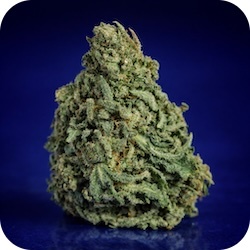
- Type: Sativa Dominant
- Dominant Cannabinoid: CBD (high in CBD, Low in THC)
- Dominant Terpene: Mycerne sometimes Pinene
Profile:
Good for daytime chronic pain offering the benefits and pain relief from the combination of thc and cbd, without being too intoxicating. Helps with inflammatory responses with its dominant Myrcene terpene content, alleviates muscle pain and aches.
Blue Dream
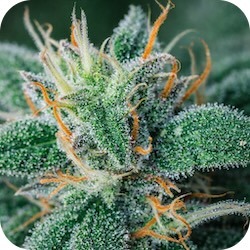
- Type: Sativa Dominant
- Dominant Cannabinoid: THC
- Dominant Terpene: Myrcene
Profile:
Blue dream is high in thc content to regulate pain signaling, combined with its high volume of Myrcene which is known as the “muscle relaxer” of terpenes. This is the perfect strain for neuropathic and chronic pain.
Northern Lights
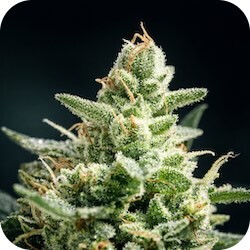
- Type: Indica Dominant
- Dominant Cannabinoid: THC
- Dominant Terpene: Myrcene
Profile:
More of a sedative cannabis strain, Northern Lights is great for nighttime use, helps the body to relax with a more intense body heavy type of experience. Also high in Myrcene to relax the muscles in the body, and relieve overall body pains.
OG Kush
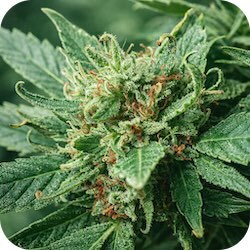
- Type: Hybrid - Indica leaning Dominant
- Cannabinoid: THC
- Dominant Terpene: Myrcene, Limonene, Caryophyllene
Profile:
OG Kush has a unique blend of terpenes and a mixed hybrid plant characteristics, slightly sedative with its high THC content. However, the blend of terpenes provides a mood boost, a change in pain sensitivity, and assists in easing inflammation in the body.
Gandaddy Purple
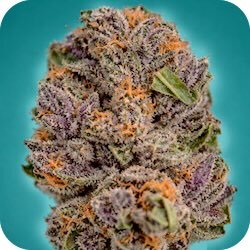
- Type: Indica Dominant
- Dominant Cannabinoid: THC
- Dominant Terpene: Myrcene
Profile:
A preferred strain for heavy sedation, great for people that are woken up throughout the night because of pain. This strain in specific should help you sleep through the night relaxing your muscles and nerve pain with its high Myrcene content.
Harlequin
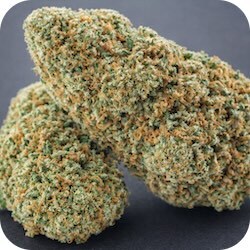
- Type: Sativa Dominant
- Dominant Cannabinoid: CBD and THC Balanced Profile
- Dominant Terpene: Myrcene or Pinene
Profile:
Combines a mixture of inflammatory relief and overall body pain relief, with a balanced cannabinoid profile of both CBD and THC. Minimal sedative effects, which makes it okay for daytime use and its mixture of dominant terpenes helps with both anxiety and inflammation for a steady pain relieving experience.
Cannatonic
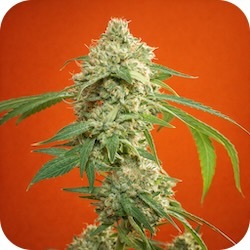
- Type: Hybrid - Sativa Leaning
- Dominant Cannabinoid: CBD
- Dominant Terpene: Myrcene
Profile:
Cannatonic has a higher CBD cannabinoid count than THC, great for inflammation and chronic joint pain. Since the cbd is the dominant cannabinoid, it isn't heavily sedative, so it's okay for daytime usage without getting stuck on the couch.
Girl Scout Cookies
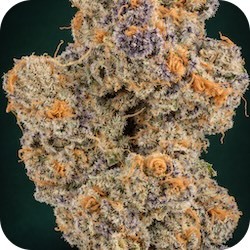
- Type: Hybrid - Indica Leaning
- Dominant Cannabinoid: THC
- Dominant Terpene: Caryophyllene
Profile:
The best strain for stress related pain and tension, also works wonders for inflammatory pain. The main terpene is Caryophyllene which exhibits CB2 receptor activity and its higher THC content changes pain perception and sensitivity.
White Widow
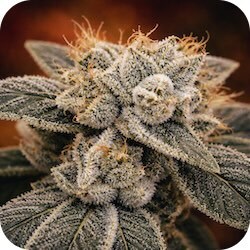
- Type: Hybrid - Balanced
- Dominant Cannabinoid: THC
- Dominant Terpene: Myrcene or Caryophyllene
Profile:
Completely balanced hybrid strain, white widow gives a good mix of both, slightly sedative but also slightly uplifting. Its dominant terpene is usually either Myrcene for muscle pain relief or Caryophyllene for fighting inflammation. Works well for daytime chronic pain or neuropathic pain.
Ice Cream Cake
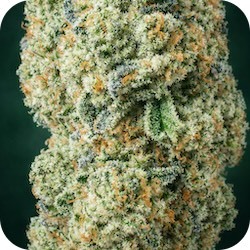
- Type: Indica Dominant
- Dominant Cannabinoid: THC
- Dominant Terpene: Caryophyllene
Profile:
Ice Cream Cake is an indica leaning strain with a high THC and Caryophyllene content. As mentioned, Caryophyllene activates cb2 receptors and THC has strong effects on pain perception and sensitivity. You can experience less body aches and less muscle soreness. Perfect for pain that dysregulates your sleeping schedule, with sedative properties.
Gorilla Glue #4
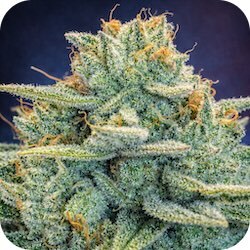
- Type: Hybrid - Indica Leaning
- Dominant Cannabinoid: THC
- Dominant Terpene: Caryophyllene
Profile:
This strain has some sedative effects with its dominant cannabinoid being THC with a slightly indica leaning strain type. Caryophyllene is its dominant terpene to assist with inflammation, boosting the effects of THC. It's perfect for those that suffer from chronic severe pain and tension.
Bubba Kush
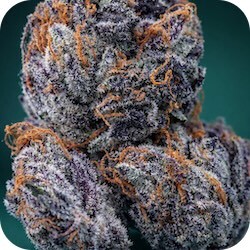
- Type: Indica Dominant
- Dominant Cannabinoid: THC
- Dominant Terpene: Myrcene
Profile:
Bubba Kush provides a deep relaxation for nighttime use, the cannabis version of sleepy time tea. You can expect relief from muscle pain and tightness, Myrcene adds to the muscle relaxing effects combined with the pain relief from THC.
Flower vs Concentrates for Body Effects
Dabbing produces a more intense effect than smoking flower, as expected since concentrates are a more condensed variety of flower. Its cannabinoid content and terpene content are both much higher than flower, users might find better pain relief effects when using concentrates instead of flower because of this.
Dabbing is usually performed at higher temperatures since vaporization is key, however low temperature dabbing is the secret to preserving terpenes and cannabinoids for a well rounded effect and pain relief.
What Raises or Lowers the Intensity of Effects?
THC percentage obviously changes the intensity and effectiveness of your pain relief. Consumption method is also a big factor, especially when you are comparing smoking flower, dabbing, and edibles. Edibles have a much stronger effect because of the conversion of THC that occurs in your body when THC is eaten. Body fat, frequency of use which affects your tolerance will cause your reaction to thc to be different compared to someone that might be relatively thin or a newbie!
Click Here to Read More About Individual Tolerance and Edible Dosing
Recent Posts
-

How Many Hits on a Dab Pen Equal a Joint?
This question is so common amongst people that first make the switch from flower to wax. Since wax i … -

10 Best Cannabis Strains for Anxiety
Can Cannabis Help with Anxiety? People use cannabis for a variety of different things, recreationall …9th Mar 2026 -
Dab Pen Light Colors: What Each Color Means & How to Fix
Almost all dabbing devices have some sort of led light indicator that either tells you which tempera …